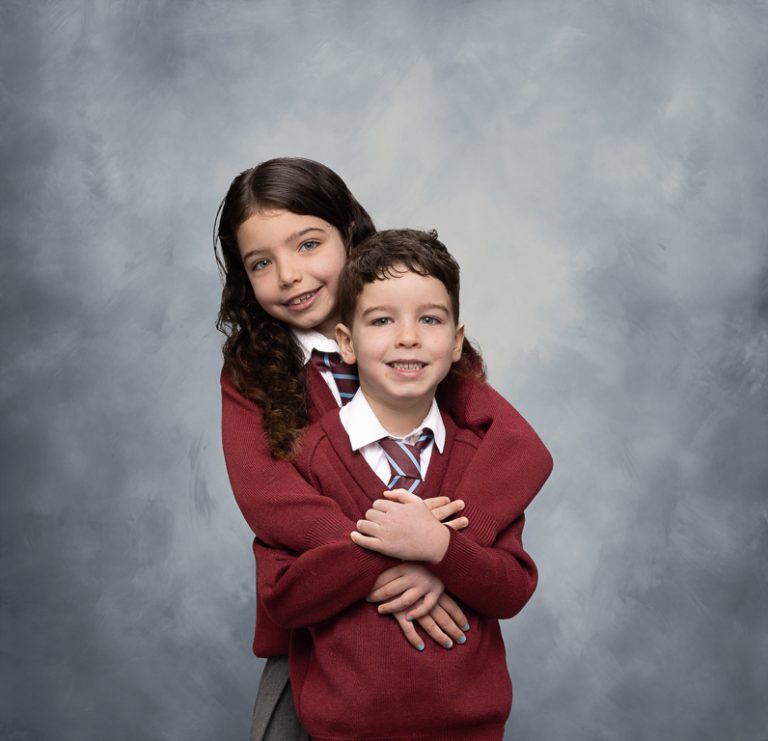
Capturing great school photos is both an art and a science. It’s about more than just pointing a camera and clicking the shutter. Great school photos require careful attention to detail, creativity, and technical know-how. This blog will explore what makes a great school photo, offering essential techniques and insights for photographers.
Table of Contents
- Lighting and Composition
- Posing and Expression
- Background and Environment
- Camera Settings
- Post-Processing
Lighting and Composition
Lighting and composition are crucial elements in photography. Proper lighting can transform an ordinary photo into an extraordinary one. Here are some tips to get it right:
1. Use Natural Light: Whenever possible, utilize natural light to illuminate your subjects. Position students near windows or shoot outdoors to take advantage of soft, diffused light.
2. Avoid Harsh Shadows: Harsh shadows can detract from a photo. Use reflectors or fill lights to soften shadows and create a balanced exposure.
3. Rule of Thirds: Apply the rule of thirds to compose your shots. Imagine a grid dividing the image into nine equal parts and place the subject along these lines or at their intersections for a balanced composition.
4. Leading Lines: Use leading lines to draw the viewer’s eye towards the main subject. This can be anything from a pathway, a row of desks, or even the natural lines in a classroom.
Posing and Expression
Posing and capturing genuine expressions are key to memorable school photos. Here’s how to achieve natural and engaging poses:
1. Encourage Relaxation: Help students feel comfortable by engaging them in light conversation. Ask about their favorite subjects or hobbies to elicit natural smiles.
2. Group Posing Tips: For group photos, arrange students in rows with taller ones at the back. Ensure everyone is visible and looking towards the camera.
3. Capture Candid Moments: Sometimes the best photos are candid. Capture students as they interact naturally with their peers or engage in activities.
4. Direct with Simple Cues: Use simple, clear instructions to guide poses. Avoid complex directions that can confuse and stress the students.
Background and Environment
The background and environment set the tone for the photo. Choose settings that complement the subjects without being distracting.
1. Simple and Clean Backgrounds: Select backgrounds that are free of clutter. A plain wall or a naturally beautiful outdoor setting works well.
2. Themed Backgrounds: For a bit of fun, consider themed backgrounds that reflect the school environment, like bookshelves or chalkboards.
3. Classroom Settings: Use classroom settings that are tidy and organized. Incorporate elements that signify the school environment, such as desks and educational posters.
Camera Settings
Proper camera settings are essential for sharp, high-quality images. Here are some recommended settings:
1. Aperture: Use a wide aperture (low f-number) to create a shallow depth of field, blurring the background and making the subject stand out.
2. Shutter Speed: Ensure a fast enough shutter speed to avoid motion blur, especially with active children.
3. ISO: Keep ISO settings as low as possible to reduce noise. Increase ISO only if necessary to achieve proper exposure in low light.
4. White Balance: Set the white balance according to the lighting conditions to ensure accurate color reproduction.
Post-Processing
Post-processing enhances the final images and corrects any imperfections. Here’s what to focus on:
1. Color Correction: Adjust the color balance to ensure the photos look natural and vibrant.
2. Retouching: Use retouching tools to remove any blemishes or distractions without over-editing.
3. Cropping: Crop the images to improve composition and remove any unwanted elements.
4. Sharpening: Apply sharpening to enhance details, but be careful not to overdo it, which can introduce artifacts.
Conclusion
Great school photos require a combination of good lighting, thoughtful composition, natural posing, and careful post-processing. By paying attention to these elements, you can capture images that are not only technically excellent but also full of life and personality. Remember, the goal is to create lasting memories that students and parents will treasure for years to come.